
A bright, healthy smile starts with more than just daily brushing. Professional oral cleaning techniques like scaling and teeth sandblasting offer deeper care that helps maintain long-term dental health. Here’s what you should know about these advanced procedures.
What is Teeth Sandblasting?
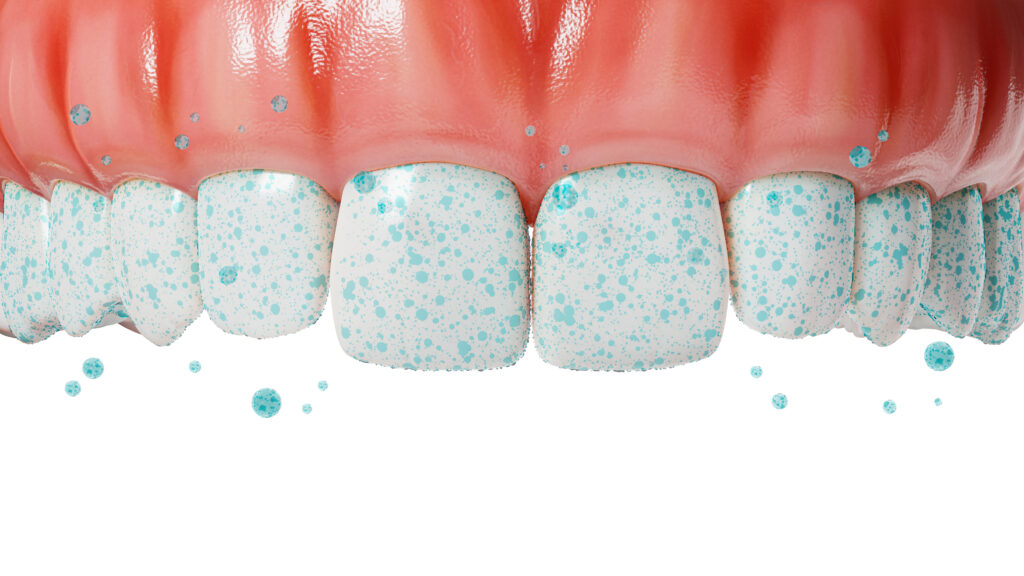
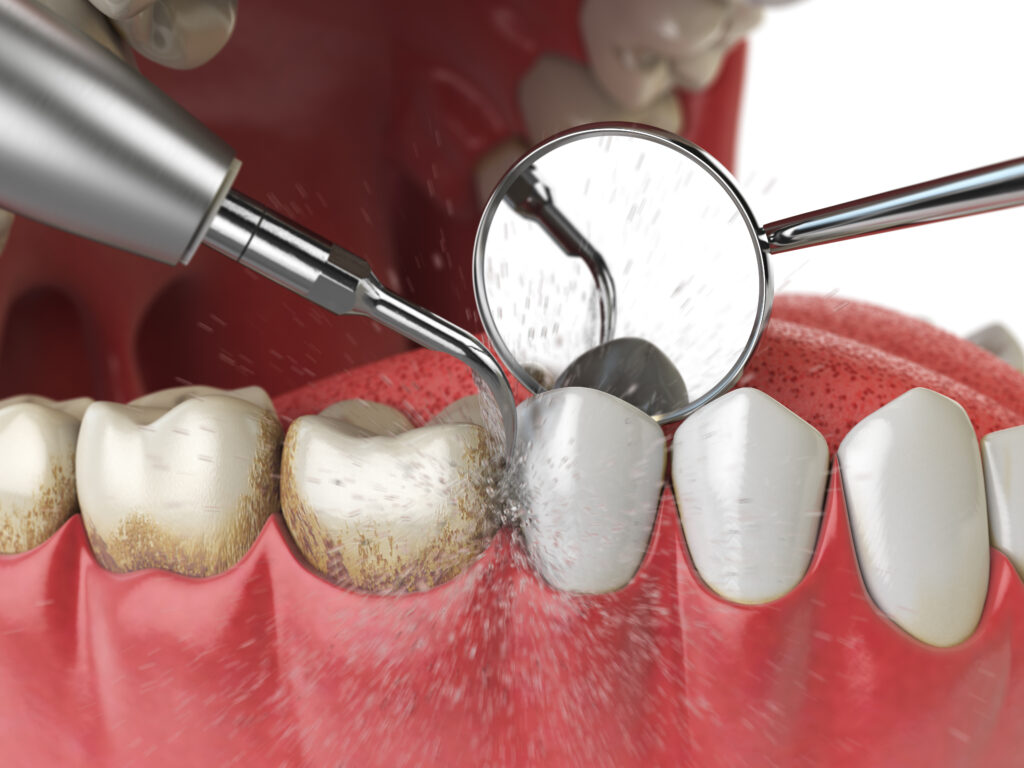
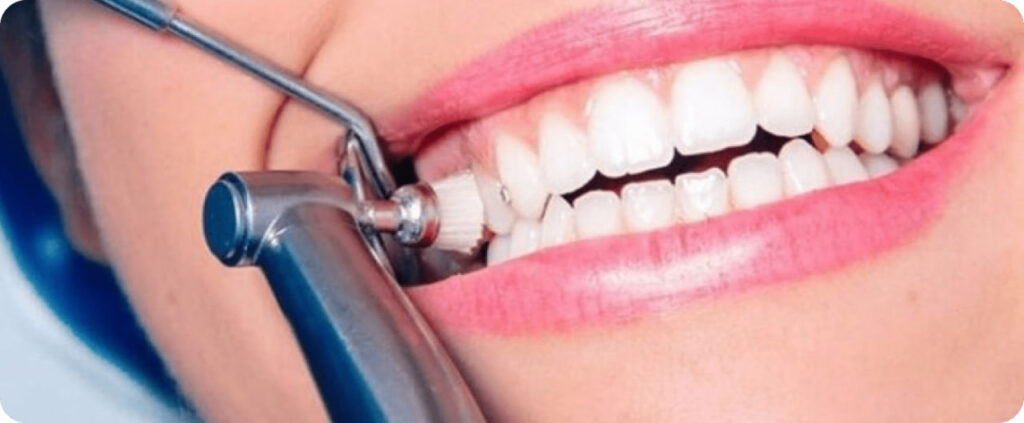
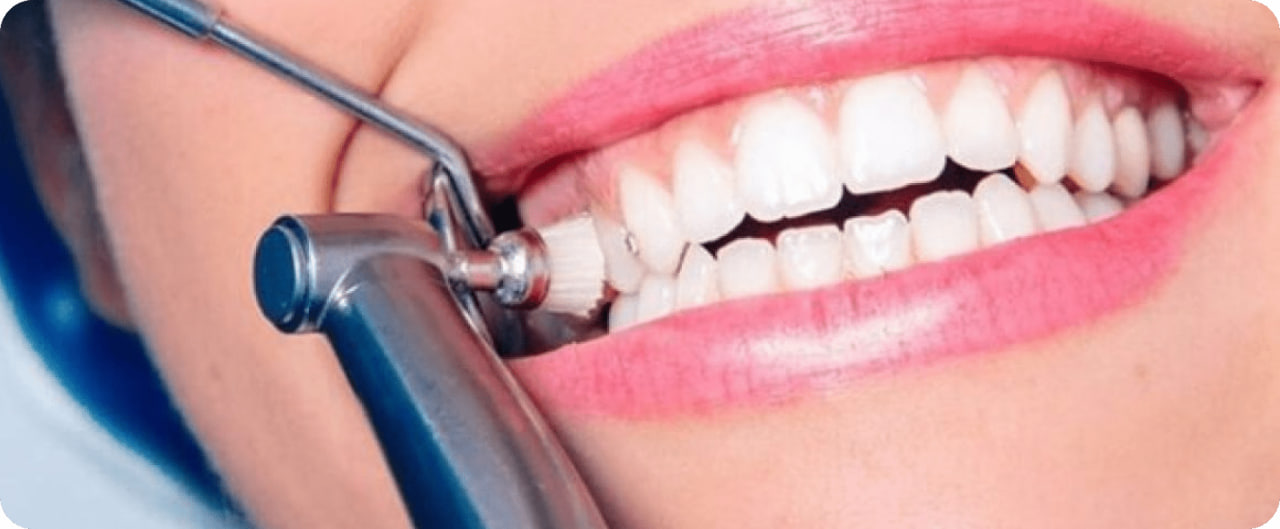
Teeth sandblasting is a professional dental procedure that uses a stream of fine abrasive particles (often called dental sand) to remove plaque, tartar, and stains from the surface of the teeth. This sandblasting dental technique gently cleans hard-to-reach areas, helping to improve oral hygiene and restore the natural whiteness of the enamel.
Why should we do Teeth Sandblasting?
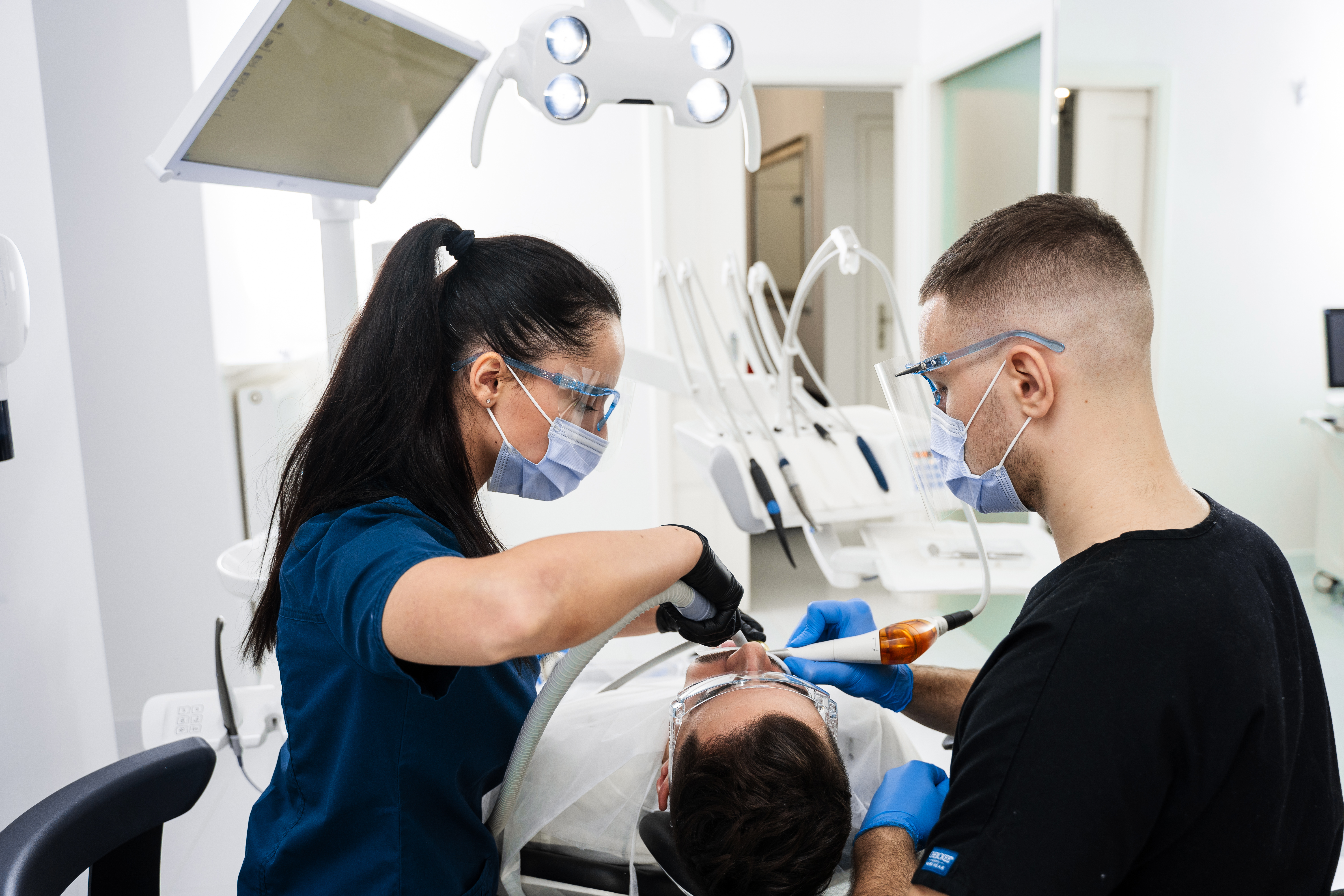
At Dynasty Stomatology in Poland, we offer professional dental cleaning including teeth sandblasting and scaling performed by experienced dentists using modern equipment. This painless procedure helps remove tartar and dental plaque, maintain healthy teeth and gums, and improve the aesthetics of the smile.
What are the benefits of regular teeth sandblasting?
Regular scaling and sandblasting treatments play a crucial role in maintaining proper oral hygiene and preventing serious dental problems.
Key benefits:
- Effective removal of dental calculus and dental tartar.
- Eliminates deposits from the surface of teeth.
- Helps prevent periodontal disease and tooth decay.
- Improves oral health and dental hygiene.
- Restores teeth whitening by removing discoloration.
- Maintains gums and teeth in healthy condition.
- Contributes to a beautiful and healthy smile.
- Enhances results of other dental treatments through a clean tooth surface.
- Safe and painless cleaning procedure.
What is tooth scaling?
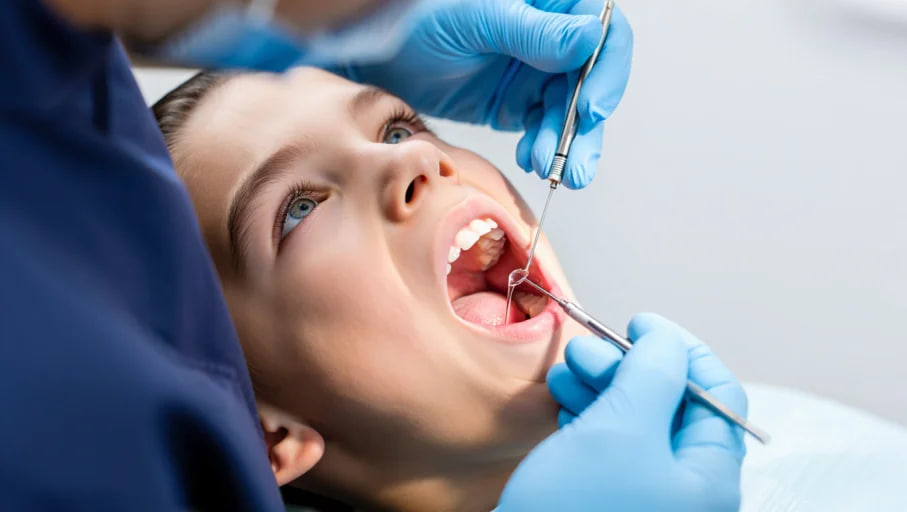
Tooth scaling is a professional dental procedure aimed at removing dental deposits such as dental calculus and plaque from the surface of teeth, especially around the gum line. It is often included in professional cleaning during regular visits to the dentist.
What does scaling involve and why is it necessary?
The scaling procedure involves the removal of tartar from around the teeth using an ultrasonic scaler. This method is part of professional oral hygiene and helps prevent dental and periodontal diseases. Dental scaling is essential for maintaining teeth hygiene, preventing dental caries, and avoiding the accumulation of dental deposits. Dentists recommend scaling for teeth every six months as a preventive measure in regular dental care.
How is Teeth Sandblasting different from Teeth Scaling?
While both teeth scaling and sandblasting are part of dentistry cleaning, they serve different purposes. Dentist scaling focuses on removing hardened deposits and mineralization of dental plaque using mechanical tools like an ultrasonic scaler.
In contrast, teeth sandblasting involves the use of a high-pressure stream with abrasive powder to polish the surface of the full teeth and remove pigment and soft plaque. The sandblasting procedure is often used after scaling to enhance smoothness and brightness. Combined, scaling and sandblasting teeth provide comprehensive dental prophylaxis and help strengthen teeth.
Who should avoid teeth sandblasting and scaling procedures?
Although dentistry scaling and dental sandblasting are generally safe and effective, there are cases when these procedures may not be recommended. A dental check-up is essential before treatment, so a scale dentist or dental hygienist can assess your oral cavity and determine if you are a suitable candidate.
Contraindications may include:
- Severe tooth sensitivity.
- Advanced enamel erosion.
- Acute infections in the oral cavity.
- Recent dental surgery.
- Active gum bleeding or inflammation.
- Severe respiratory issues or asthma (due to the sand blasting dental process).
- Pregnancy (consultation required).
- Allergies to materials used during teeth cleaning.
Teeth cleaning important for children
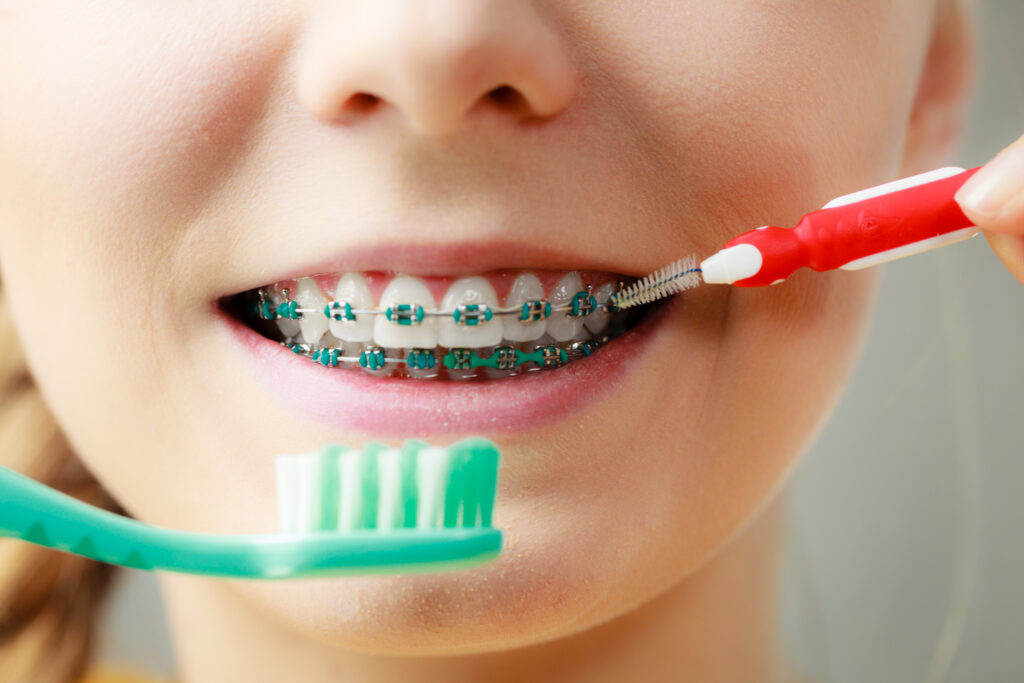
Teeth cleaning is essential for children as it helps prevent cavities and supports healthy oral development. While dentists cleaning teeth for kids usually focus on gentle methods, some cases may include scaling if plaque buildup is significant.
How does scaling and sandblasting work in children?
Scaling and sandblasting in children are performed with extreme care and only when necessary, such as in cases of excessive plaque buildup. Pediatric dentists may perform scaling using gentle tools, avoiding aggressive teeth sanding methods to protect young enamel. These dental services are considered safe when tailored to the child’s age and oral condition.
The role of professional cleaning in preventing bad breath
Professional teeth cleaning, including scaling it and sandblasting and teeth, plays a crucial role in eliminating plaque, food particles, and bacteria — common causes of bad breath. These procedures effectively clean hard-to-reach areas in the oral cavity, reducing gum inflammation and restoring a healthy oral environment. When combined with regular use of dental floss, professional cleaning helps maintain long-lasting fresh breath.
Scaling and Teeth Sandblasting – Conclusion
Scaling and teeth sandblasting are essential procedures for maintaining a healthy and confident smile. They not only improve the appearance of your teeth but also support long-term oral health. At our clinic in Poland, we offer professional dental services with a transparent and affordable price list. Book your appointment today and experience expert care in a comfortable setting.
FAQ
-
Every 6-12 months, depending on your oral hygiene and dentist’s recommendation.
-
No, these are professional dental services that complement, not replace, daily brushing and dental floss use.
-
It feels like a mild pressure spray; most patients find it comfortable.
-
Teeth feel smoother and cleaner; slight sensitivity may occur briefly.
-
No, both procedures are generally painless, though slight discomfort is possible for sensitive gums.
-
It prevents plaque buildup, gum disease, tooth decay, and bad breath.
-
It’s generally safe during the second trimester, but always consult your dentist first.
-
It’s a professional cleaning that includes scaling, teeth sanding, and polishing to remove deposits.
-
Use fluoride toothpaste, avoid acidic foods, and maintain good dental floss and brushing habits.
-
Scaling uses ultrasonic tools, and teeth sandblasting applies a fine powder spray under pressure.
-
Yes, scaling and sandblasting are safe for children when performed by a skilled dental hygienist or dentist. These procedures help maintain oral hygiene by gently removing plaque and deposits without harming young teeth or gums.