
Just a few years ago, the choice was limited. If you wanted straight teeth, you got braces and just waited for the results. But today, things are different. Now you can choose the virtually invisible Invisalign aligners or stick with traditional fixed braces. And this is where most people get confused — both options promise a beautiful smile, but they’re not equally suitable for everyone.
For some, the treatment needs to remain unnoticeable at work, during meetings, and in everyday life. Others want to see results as quickly as possible. And some want the most reliable way to correct a difficult bite and achieve lasting results for years to come.
The problem is that Invisalign and braces actually work differently. They affect teeth differently, require different levels of discipline, and are suitable for different clinical situations.
In this article, without complex medical jargon, we’ll discuss:
- the differences between Invisalign and fixed braces;
- which option is more effective for complex cases;
- which is more comfortable in everyday life;
- how long does treatment take;
- and how to understand which method is right for you.
What is Invisalign?
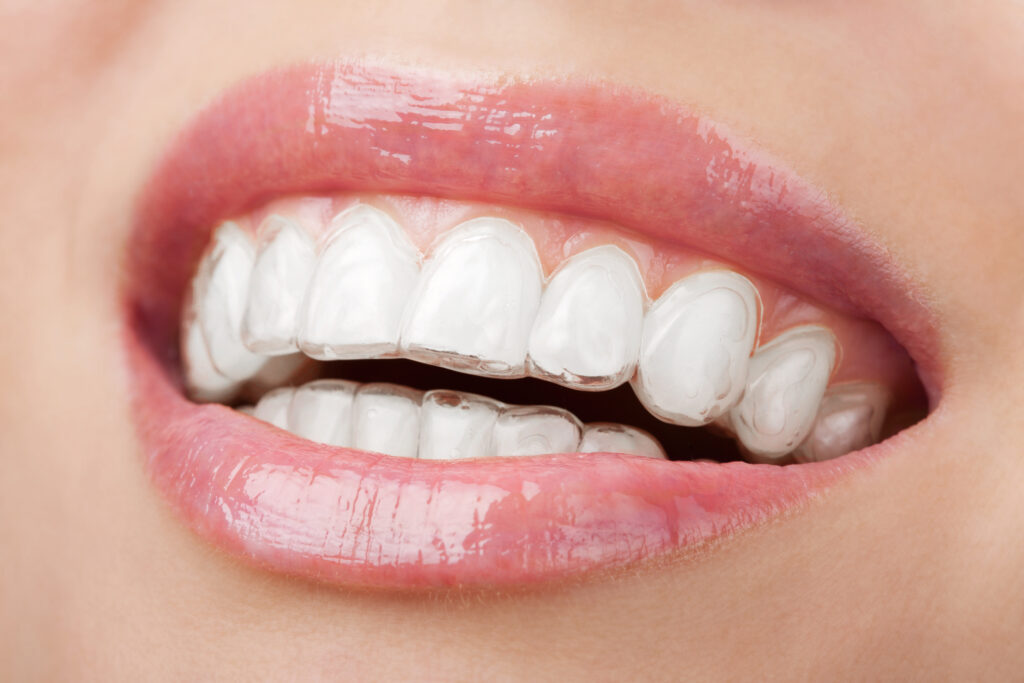
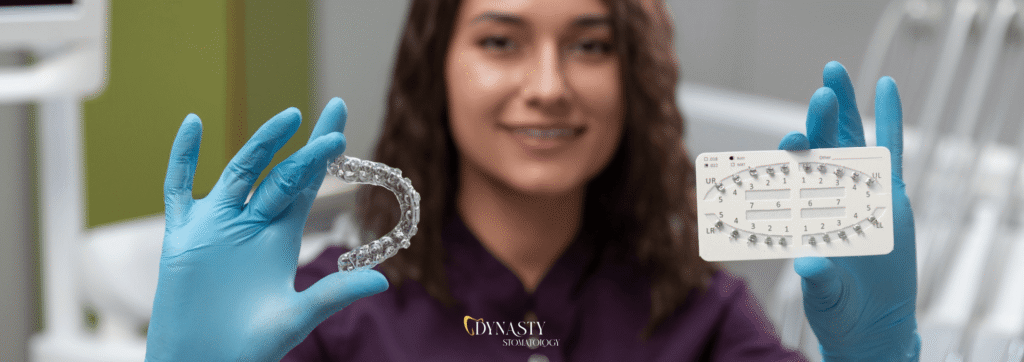
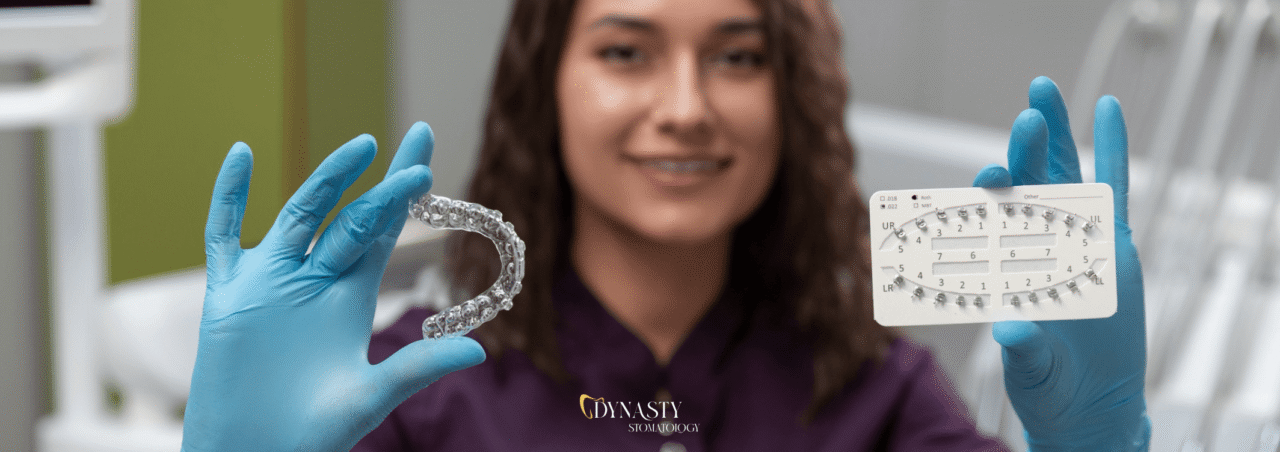
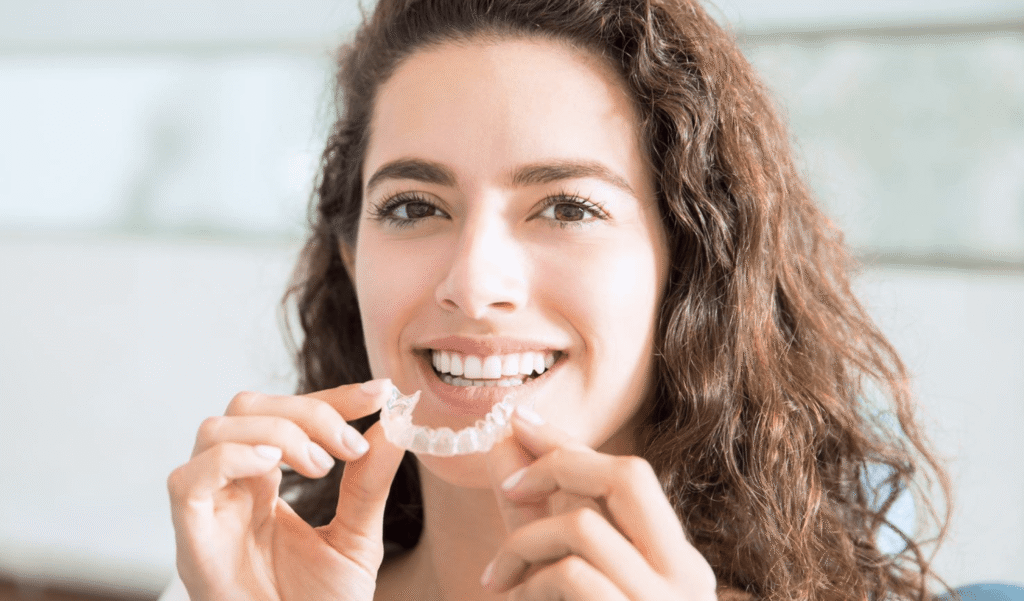
Invisalign is a modern orthodontic system that uses clear aligners to gradually move teeth into their correct positions. The aligners are custom-designed based on digital scans.
The system consists of a set of Invisalign aligners, which are replaced every one to two weeks. Each new aligner slightly corrects the position of the teeth.
What are Fixed Braces?
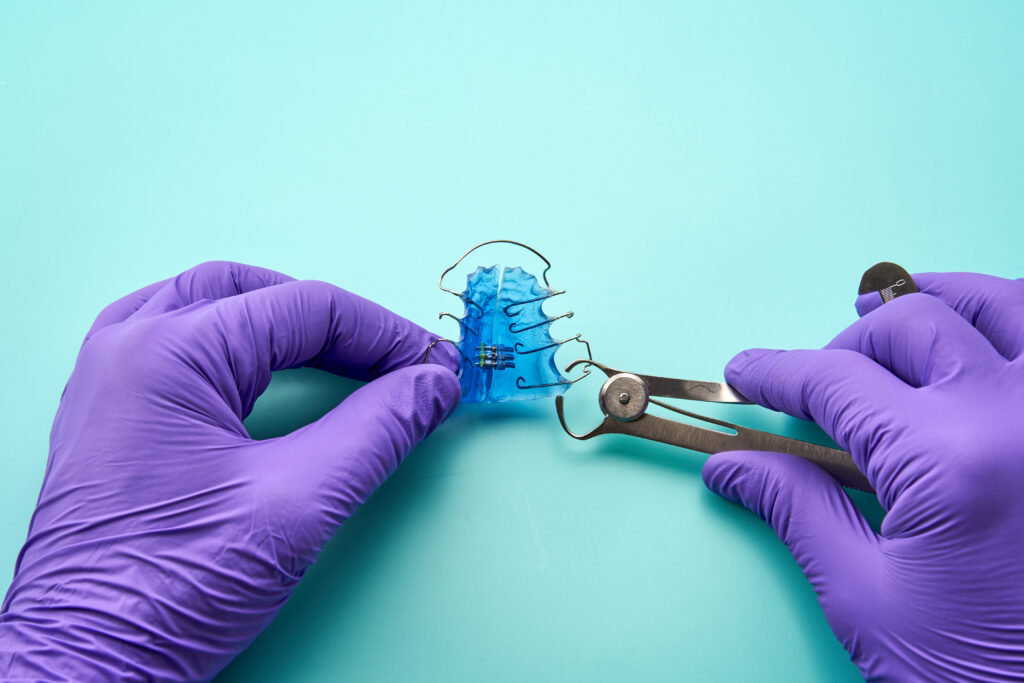
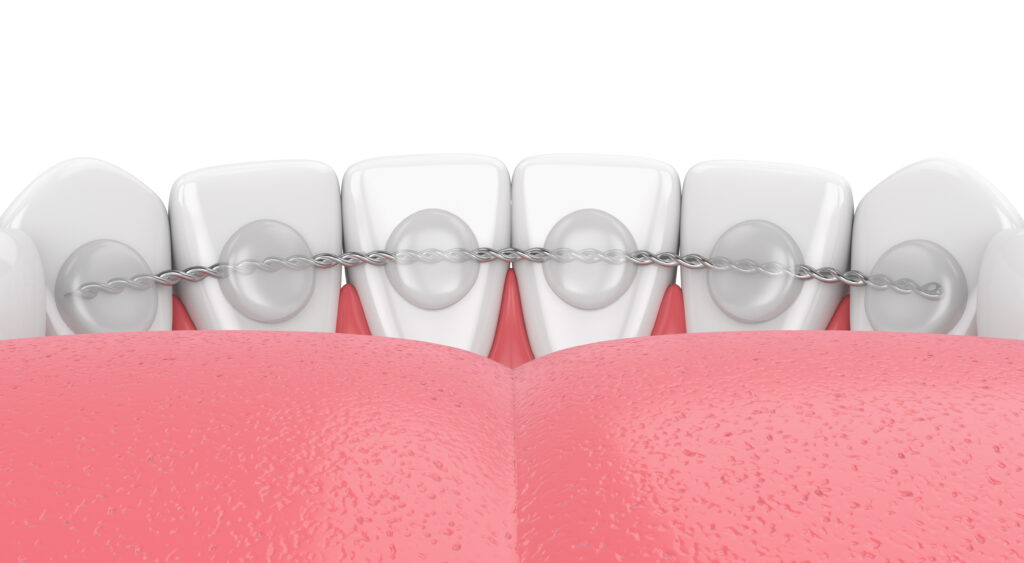
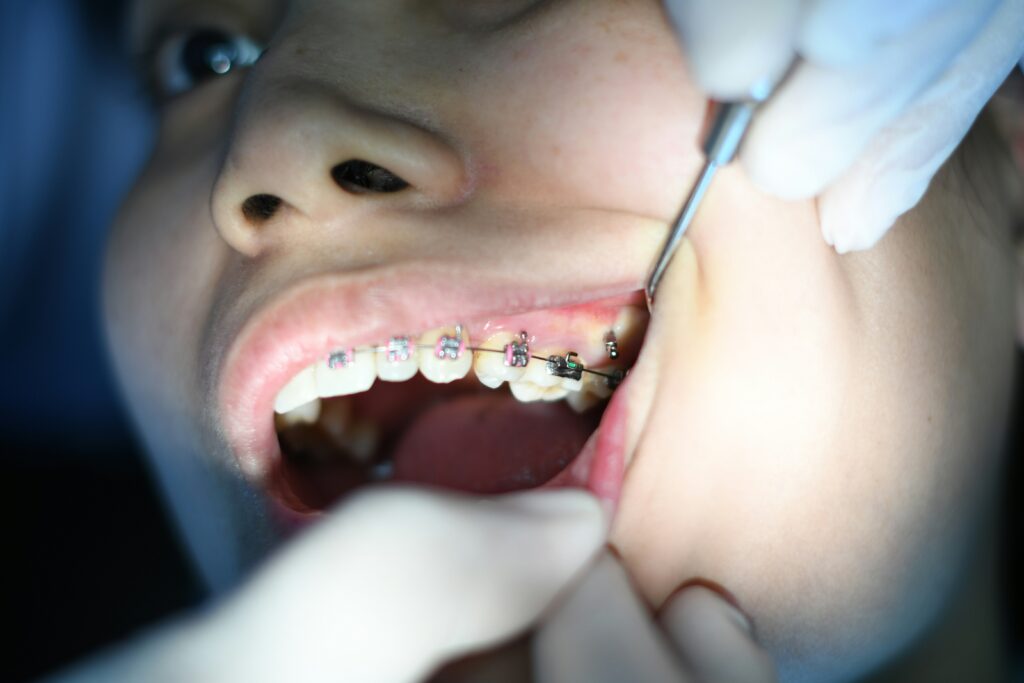
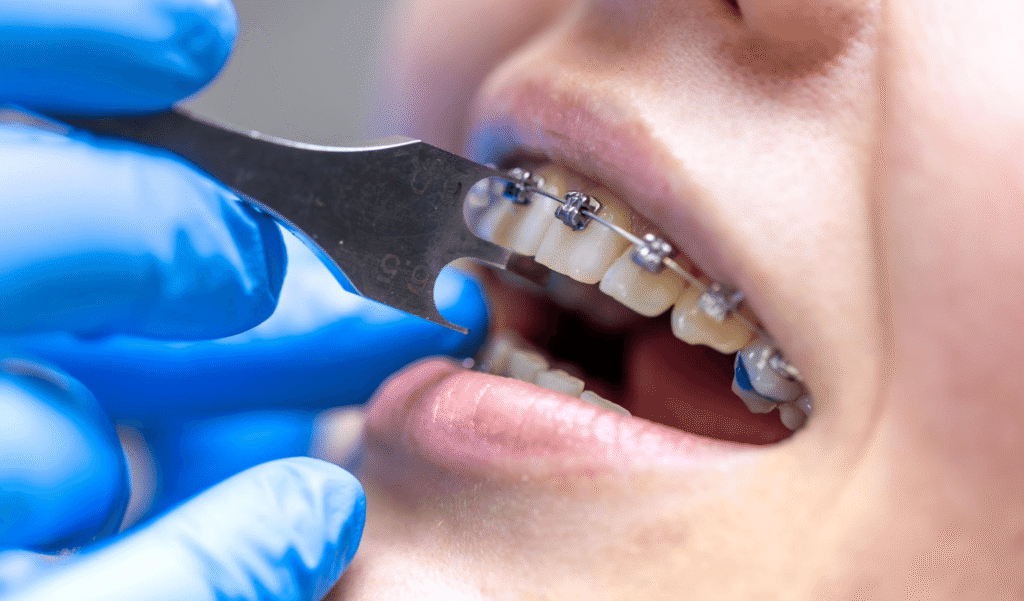
Fixed braces are orthodontic devices that are attached to the teeth for the entire treatment period. They use brackets and archwires to apply constant pressure.
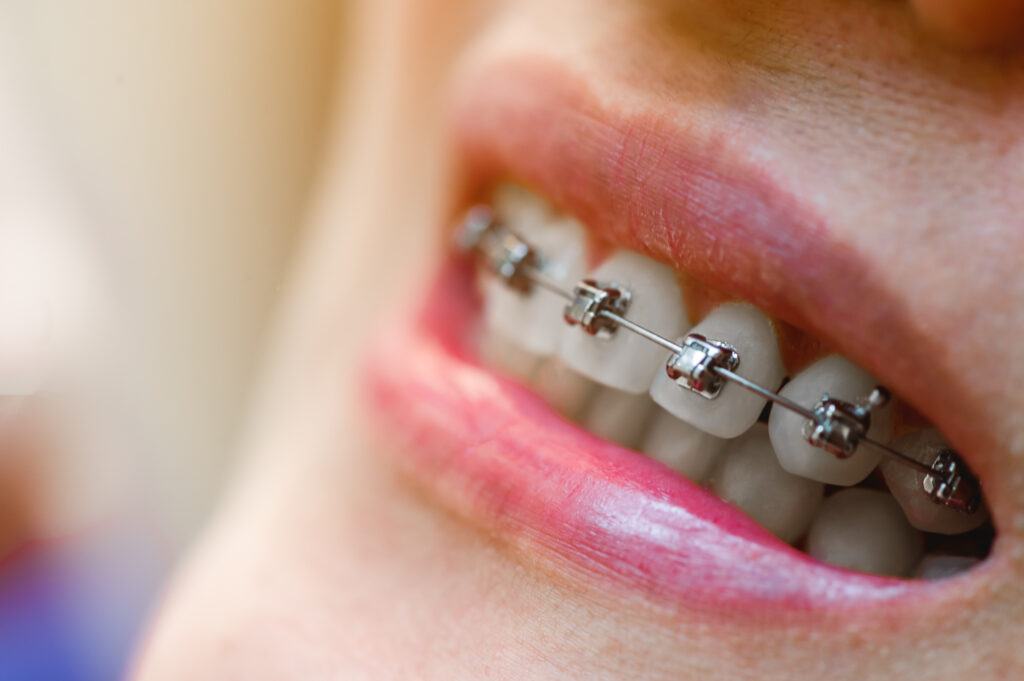
The traditional system consists of a small bracket attached to each tooth and a metal wire connecting the brackets. There are several types of fixed systems. Patients can choose from traditional braces, ceramic braces, or lingual braces.
Invisalign vs Fixed Braces: What’s the Difference?
Both systems help align teeth and correct bite problems, but they work very differently. Let’s take a closer look.
Fixed braces
Fixed systems create constant pressure because the device remains on the teeth 24/7. Many specialists believe that braces are generally more effective for severe orthodontic problems, as the system works continuously and is not dependent on the patient’s discipline. Furthermore, fixed braces allow for more precise movement of teeth into the desired position.
Invisalign
Invisalign uses removable clear aligners. These are custom-made for the patient and gradually move teeth through a series of aligners. The main advantages of the system are aesthetics and comfort. This is why Invisalign is especially popular among adult patients and those who want to remain discreet about their treatment.
The key differences between Invisalign and braces concern appearance, comfort, care requirements, and the ability to remove the system yourself. However, the effectiveness of treatment always depends on the specific clinical situation and the orthodontist’s recommendations.
What Problems Can Braces and Invisalign Fix?
Both systems help align teeth, correct malocclusion, and improve the aesthetics of a smile. However, much depends on the complexity of the clinical case, the patient’s age, and the specific structure of the jaw. Therefore, it is important to undergo a comprehensive diagnosis with an orthodontist before beginning treatment.
Fixed braces
Fixed braces are ideal for severe cases, including severe crowding, severe malocclusions, tooth rotation, and jaw alignment issues. Because braces apply pressure constantly, the system operates continuously and ensures the stable movement of teeth into the desired position. This is why braces are often recommended for patients with severe orthodontic problems requiring maximum treatment control.
Invisalign
Invisalign works well for moderate crowding and gaps between teeth. The system is most effective in mild to moderate cases, when the main goal is to carefully align the teeth and improve the aesthetics of the smile.
What Do Fixed Braces and Invisalign Look Like?
For many patients, the appearance of the system is a key factor when choosing treatment. This is especially important for adults who want to avoid discomfort while communicating, working, or speaking in public.
Fixed braces
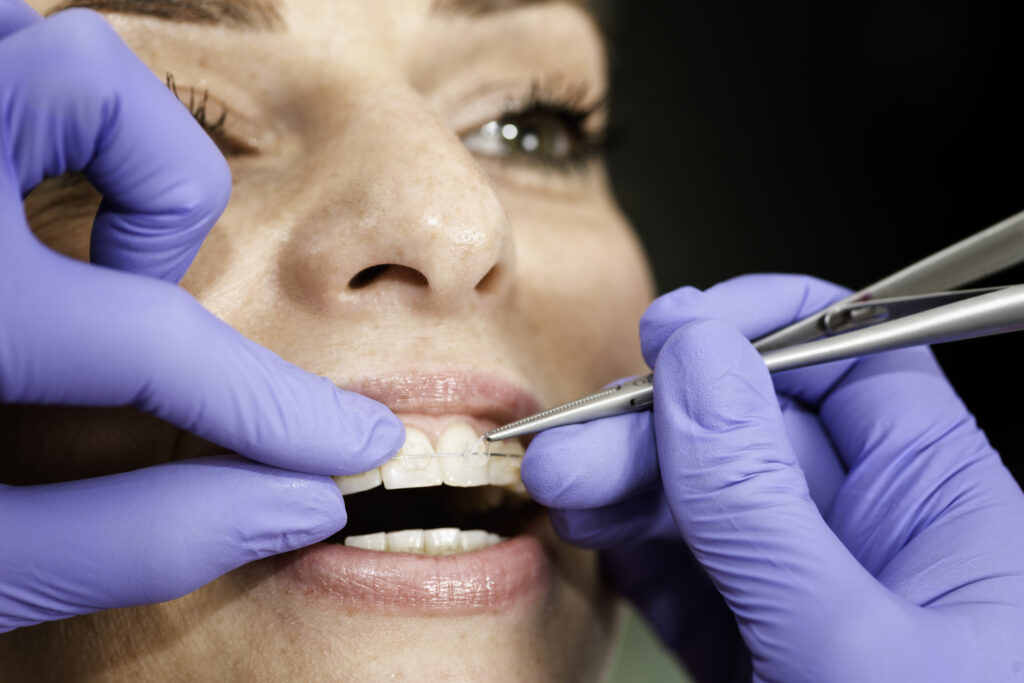
Traditional braces are noticeable when talking, smiling, and in photographs. This is especially true for metal braces, as the braces are clearly visible on the teeth. For greater aesthetics, patients are increasingly choosing ceramic braces and lingual braces. Ceramic braces are matched to the color of the teeth and are less noticeable, while lingual braces are placed on the inside of the teeth.
However, even modern aesthetic braces are still a fixed structure. Since the braces remain attached to your teeth, they are always noticeable to some extent and require some getting used to.
Invisalign
Clear aligners are virtually invisible in everyday life. This is why many patients choose Invisalign clear aligners, especially if they want to maintain a natural smile during treatment.
Modern Invisalign treatment uses clear, medical-grade transparent coating that is virtually invisible on the teeth, even during close contact.
Can I Take Out Invisalign or Fixed Braces?
This is one of the most important differences between the two systems. For many patients, the ability to remove the aligners becomes the deciding factor when choosing treatment.
Fixed braces
Fixed braces cannot be removed on your own. Braces are permanently attached to the teeth for the entire treatment period and are removed only by the orthodontist after the correction is complete. However, some patients find wearing braces uncomfortable in their daily lives. Initially, they may experience difficulties eating, playing sports, or communicating. Furthermore, braces require more careful care and caution with food.
Invisalign
One of the main removable aligners benefits is their ease of use in daily life. Patients can eat their usual foods, practice proper dental care, and avoid the limitations often associated with braces. However, patients must wear the aligners regularly; otherwise, treatment may be delayed or less effective. On average, aligners must be worn for at least 20–22 hours a day. Invisalign aligners are removable, meaning the system can more easily adapt to a daily lifestyle.
How Long Do Fixed Braces and Invisalign Take?
The duration of orthodontic treatment always depends on the complexity of the case, the patient’s age, and how closely the doctor’s recommendations are followed. For some, correction takes just over a year, while for complex malocclusions, treatment can last several years.
Fixed braces
The exact treatment time depends on the complexity of the clinical situation, the individual’s characteristics, and how the teeth respond to stress. Treatment typically takes 18 to 30 months. In complex cases, the treatment period may be longer, especially if severe malocclusion or severe crowding needs to be corrected.
Invisalign
Some patients wonder whether is Invisalign faster than braces or not. In mild cases, it is indeed possible, especially if minor tooth alignment corrections are needed. Invisalign treatment typically lasts 12 to 24 months. For minor bite problems, the first noticeable changes may appear within a few months. However, Invisalign requires discipline. If the patient forgets to wear aligners regularly, treatment may be delayed or less effective.
Do Fixed Braces and Invisalign Hurt?
Any orthodontic system causes temporary discomfort as teeth gradually move into their new positions. However, the level of discomfort experienced with braces and Invisalign differs.
Fixed braces
After arch adjustments, patients often experience pressure or increased tooth sensitivity. This discomfort typically lasts for several days, especially after the system is activated. Fixed brackets can be painful because the braces constantly exert pressure on the teeth and surrounding tissue. Sometimes, cheeks or lips may chafe, especially in the first few weeks after installation.
Invisalign
Invisalign is generally easier to tolerate because the system lacks metal elements and rigid archwires. Invisalign may cause a feeling of pressure after changing aligners. This is normal as teeth begin to gradually shift. Furthermore, Invisalign doesn’t cause as much irritation to the mucous membranes as braces, as the aligners have a smooth surface.
How Do I Take Care of Fixed Braces and Invisalign?
Hygiene plays a key role during orthodontic treatment. Whether you choose braces or aligners, proper care helps prevent cavities, gum inflammation, and other complications.
Fixed braces
When wearing braces, it’s especially important to thoroughly clean your teeth after eating. Food debris can easily become lodged between the wires, brackets, and teeth, so regular brushing is often insufficient. Proper care reduces the risk of complications during braces treatment and helps maintain enamel health throughout treatment.
Patients with braces are typically advised to use special brushes, a water flosser, and dental floss to more thoroughly clean hard-to-reach areas. Since traditional braces use metal brackets, hygiene is more important than with removable systems.
Invisalign
Removable aligners are much easier to clean. This makes daily dental care more convenient and faster. The patient can brush their teeth, floss, and fully practice oral hygiene without restrictions. In this regard, Invisalign is significantly more comfortable than fixed systems.
Furthermore, Invisalign offers fewer restrictions in daily life, as the aligners can be removed for meals and hygiene. However, the aligners themselves also require regular care. They must be rinsed and cleaned daily with special products to prevent odor and plaque buildup.
When comparing braces vs Invisalign, many patients consider the ease of care to be one of the main advantages of Invisalign.
What Can I Eat with Fixed Braces and Invisalign?
Diet does change during orthodontic treatment, especially when fixed braces are involved. For many patients, dietary restrictions are a factor in choosing a system.
Fixed braces
Patients with braces should avoid foods that are too hard, sticky, or chewy. This often includes nuts, caramel, chewy candies, hard crackers, and other foods that can damage the braces. When choosing between metal braces or Invisalign, many consider dietary restrictions, as braces require greater care in everyday life.
This is especially true for patients with traditional metal braces, where the stress on the braces is higher. Damage to the archwire or clasps can impact the treatment process and require an additional visit to the orthodontist.
Invisalign
The aligners are removed before meals. This allows patients to eat with virtually no restrictions and maintain their usual diet. This is why many adults choose Invisalign, especially those with an active lifestyle or frequent events and meetings. However, it’s important to brush your teeth after eating before putting the aligners back on.
Pros and Cons of Braces
Before starting treatment, it is important to understand not only the benefits of the system but also the possible limitations.
Advantages:
- high efficiency even for complex malocclusions;
- ability to treat both mild and severe cases;
- constant impact on teeth;
- precise control of tooth movement;
- reliable results in complex clinical situations.
Disadvantages:
- visible design;
- dietary restrictions;
- more complex hygiene;
- possible discomfort during the first weeks of treatment.
In many situations, braces are better for complex orthodontic treatment, but the patient needs time to get used to the system.
Pros and Cons of Invisalign
Before starting treatment, it is important to understand in advance not only the advantages of the system, but also its possible limitations.
Advantages:
- practically invisible appearance;
- comfort in everyday life;
- easy hygiene;
- no serious dietary restrictions;
- ability to remove aligners if necessary.
Furthermore, modern Invisalign attachments allow the system to handle more complex tasks than before.
Disadvantages:
- requires strict discipline;
- higher cost;
- limitations for complex bite disorders;
- risk of treatment delay if aligners are not worn regularly.
For many patients, the cost of Invisalign remains a significant factor, as treatment is often more expensive than traditional braces. Many choose Invisalign because, unlike braces, aligners can be removed before meals, important meetings, and brushing teeth.
Combination Orthodontic Treatment
In some cases, orthodontists may combine Invisalign and braces to achieve a more precise result. This approach is typically used for complex bite problems or severe crowding.
For example, initially, the doctor may use braces for more complex tooth movement, then switch to aligners for final correction and improved smile aesthetics.
Making the Right Decision on Your Treatment Method
The choice between braces and Invisalign always depends on the specific clinical situation, lifestyle, and expectations of the patient. For some, traditional braces are the best solution, especially braces for severe cases. For others, aligners are a more comfortable option if aesthetics and ease of daily life are important.
It’s impossible to say definitively whether Invisalign is better than braces, or vice versa, because each system addresses its own needs and is suitable for different cases. This is why it’s important to undergo a full orthodontic consultation before beginning treatment. Only after a diagnosis can the doctor determine which teeth alignment options are right for you and which method will help straighten your teeth safely and effectively.
At Dynasty Stomatology, orthodontic treatment is always selected individually. We consider not only the condition of the teeth and bite, but also the patient’s comfort, the aesthetics of the smile, and the long-term results of the treatment.
FAQ: Invisalign vs Braces
-
For complex bite problems and severe crowding, fixed braces are often considered more effective because they provide constant and precise control over tooth movement. When comparing fixed braces vs aligners, orthodontists usually recommend braces for more complicated cases. However, modern Invisalign systems can still successfully treat many moderate alignment issues, including Invisalign for crowded teeth.
-
The answer depends on the complexity of treatment and the duration of correction. In many cases, patients notice that invisalign vs braces cost can differ, with Invisalign sometimes being more expensive because of digital planning and custom-made aligners. Traditional dental braces are often a more budget-friendly option, especially for long or complex treatments.
-
Most patients visit their orthodontist every 4–8 weeks during treatment. These visits help monitor progress, adjust the system if necessary, and make sure your teeth are moving safely and correctly. Regular check-ups are an important part of modern orthodontics, whether you choose braces or aligners.
-
Yes, many teenagers can successfully use Invisalign if they are responsible enough to wear the aligners consistently. Today, more families are choosing between Invisalign and braces based not only on effectiveness but also on comfort and appearance. Invisalign can be a great option for teens who want a more discreet way to straighten teeth without noticeable brackets.
-
Yes, retainers are necessary after both treatment methods. Teeth naturally tend to shift back over time, so retainers help maintain your final result and protect your new smile. This applies whether patients choose Invisalign or braces, since long-term retention is essential after any orthodontic treatment.
Braces vs Invisalign: We’ll Help to Choose the Right Treatment for Your Smile
At Dynasty Stomatology, we help patients find the most effective solution based on their smile goals, bite condition, lifestyle, and expected treatment time. Our orthodontic team works with modern treatment methods, including Invisalign, classic braces, эстетические systems, and lingual braces, helping patients achieve predictable and long-lasting results.