
An impacted tooth may go unnoticed for years and be discovered accidentally during an X-ray. In some cases, however, it causes pain, gum inflammation, swelling, or pressure on neighboring teeth. An impacted tooth is a tooth that has not fully erupted at the expected time and remains partly or completely hidden in the gum or bone. Treatment depends on its position, the condition of the surrounding tissues, and the presence of symptoms, so the final decision is made after an examination and diagnosis.
What Is an Impacted Tooth?
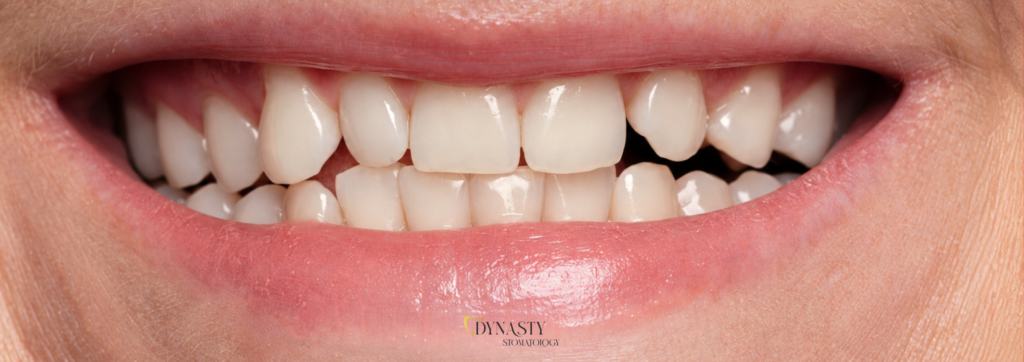
Impacted teeth are not limited to third molars, or wisdom teeth. The issue can also affect canines, premolars, and, less commonly, other teeth. A tooth may be properly formed but lack sufficient space or the correct direction to emerge above the gum line.
The presence of an impacted tooth alone does not automatically mean it needs to be extracted. The dentist assesses its position, the condition of the surrounding tissues, and any potential effect on adjacent teeth.
Partially vs. Fully Impacted Teeth
A partially impacted tooth is only partly visible in the mouth, while the remaining part is covered by gum tissue. Food debris and bacterial plaque can easily accumulate in this area because a toothbrush does not always reach beneath the gum flap.
A fully impacted tooth remains invisible—it may be located beneath the gum or deeper within the bone. Both types require an individual clinical assessment and imaging. You should not try to determine the type of impaction based solely on the presence or absence of pain.
Which Teeth Are Most Commonly Impacted?
Lower and upper wisdom teeth are most commonly impacted. Canines, especially upper canines, are also frequently affected, as they play an important role in bite alignment and smile aesthetics.
Management depends on the type of tooth, its position, the patient’s age, and its relationship to the roots of neighboring teeth, the maxillary sinus, or nerves. Not every impacted wisdom tooth needs to be removed if it does not cause problems and can be safely monitored.
Why Does a Tooth Fail to Erupt Properly?
A tooth may become impacted when there is not enough room for it in the dental arch, when the tooth bud develops at an unfavorable angle, or when an obstacle blocks its path. The cause is determined through an examination and diagnostic imaging, not from symptoms alone.
Lack of Space and Improper Tooth Position
If there is insufficient space in the upper or lower jaw, a tooth may press against a neighboring tooth instead of erupting vertically. A wisdom tooth may be angled or positioned horizontally, while an impacted canine may be located high above the roots of other teeth.
In rare cases, a tooth may be inverted. This position does not mean the patient is at fault or has neglected oral hygiene, but it does require a careful treatment plan.
Obstacles in the Eruption Path
Eruption may be blocked by an adjacent tooth, a supernumerary tooth—an extra tooth—or a change in the tissues surrounding the tooth. Sometimes, the issue is discovered accidentally on an X-ray taken for another reason.
The dentist assesses what exactly is blocking the eruption path and whether the obstacle requires treatment. Imaging helps distinguish a situation that requires monitoring from one that may threaten neighboring teeth.
Can an Impacted Tooth Be Developmental?
Yes. The development of the upper jaw, lower jaw, and the entire dentition varies from person to person. Differences in dental arch size, eruption sequence, or the direction in which a tooth bud develops can contribute to tooth impaction.
This is not always a problem that could have been prevented. The most important thing is early detection and a calm consultation before symptoms or changes around the tooth develop.
What Symptoms Can an Impacted Tooth Cause?
An impacted tooth may cause no symptoms for years. In other patients, pain, a feeling of pressure, gum tenderness, swelling, or recurring inflammation in the back of the upper or lower jaw may occur.
Symptoms do not always indicate exactly which tooth is the source. Pain may radiate to the ear, temple, or neighboring teeth, which is why a dental examination and X-ray are needed.
Pain and Signs of Inflammation
With a partially erupted tooth, redness, swelling, and gum soreness may occur. Patients sometimes notice an unpleasant taste in the mouth, bad breath, or difficulty thoroughly cleaning the area around the tooth.
Recurring inflammation around the crown of a partially erupted wisdom tooth requires an in-office assessment. It is not advisable to start antibiotic treatment or use prescription medication on your own. The dentist will determine the cause and recommend treatment appropriate for the situation.
When Do Symptoms Require an Urgent Consultation?
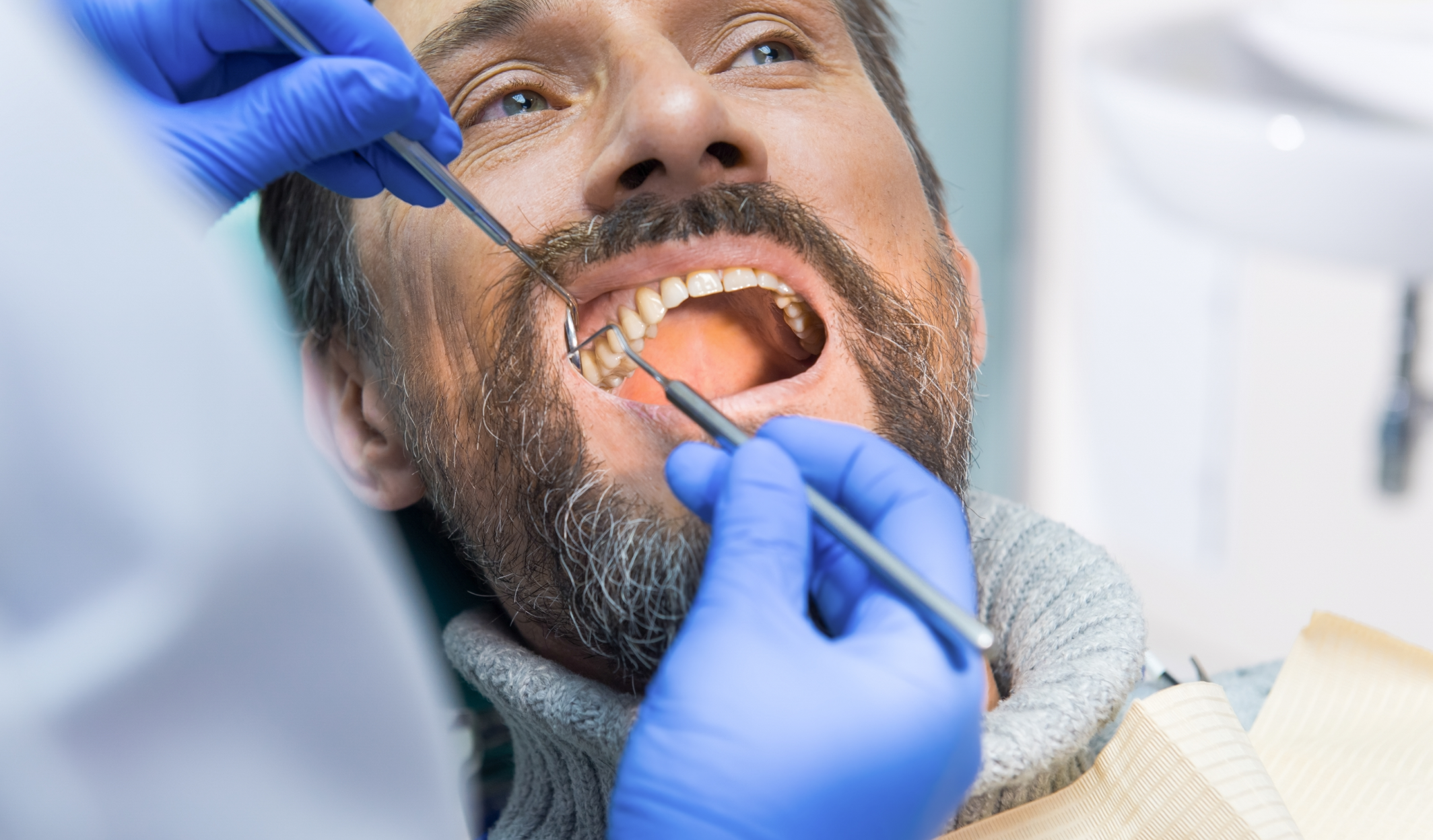
Increasing facial swelling, severe pain, difficulty opening the mouth, fever, or pus discharge require prompt contact with a dentist. At Dynasty Stomatology, patients with acute pain are seen on the same day, subject to current availability.
Difficulty swallowing or breathing is an alarming symptom. In this situation, seek urgent medical help rather than waiting for a scheduled appointment.
How Is an Impacted Tooth Diagnosed?
Diagnosis is based on a conversation with the patient, an oral examination, and imaging. The dentist checks the position of the tooth, the condition of the gums, and the relationship between the impacted tooth and the roots of neighboring teeth, the maxillary sinus, and important nerve structures.
A consultation does not have to mean deciding on a procedure during the first visit. Its purpose is to understand the situation, discuss the options, and prepare a plan tailored to the patient.
Dental Examination and Panoramic X-Ray
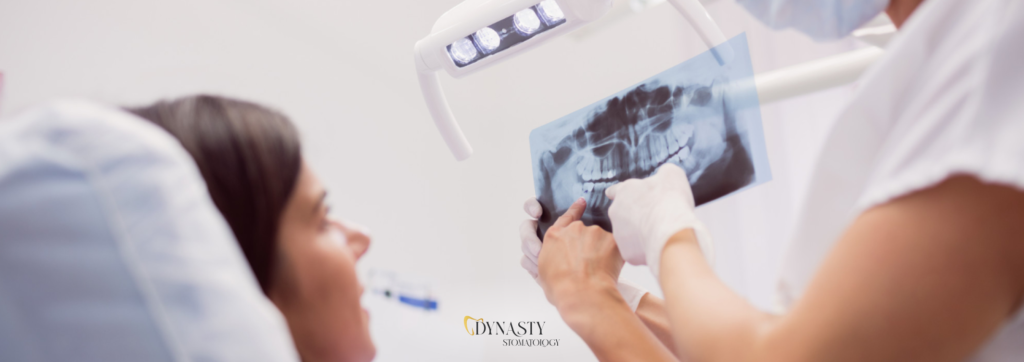
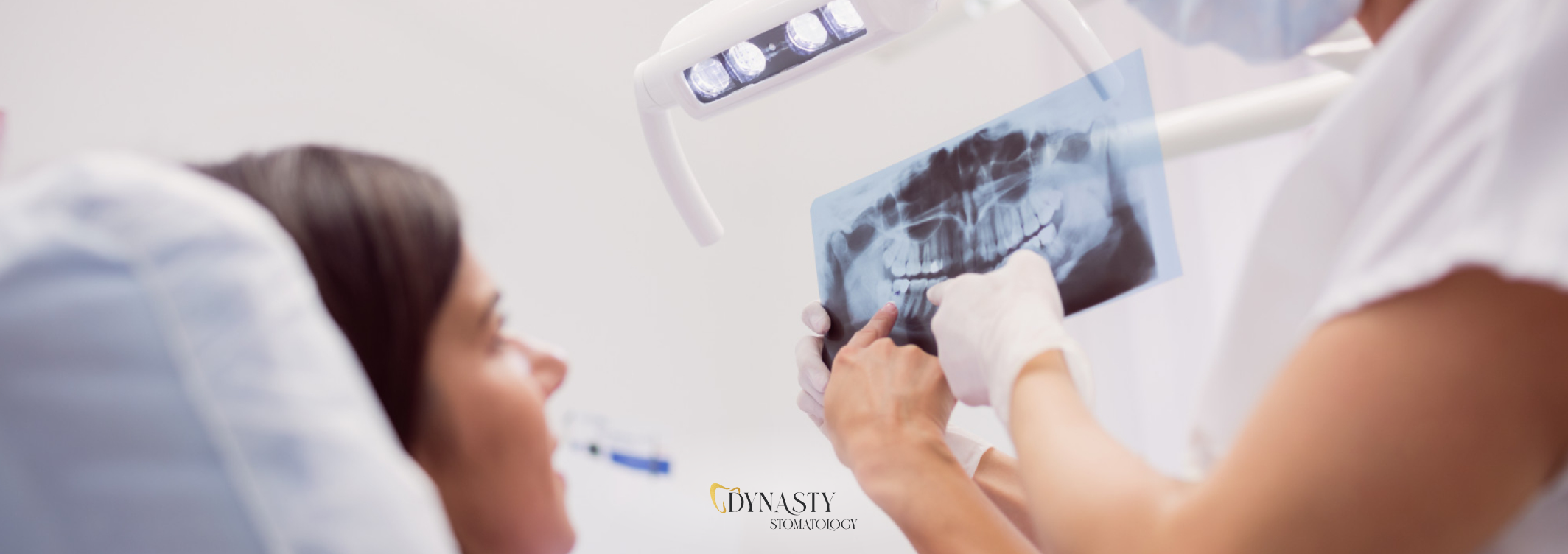
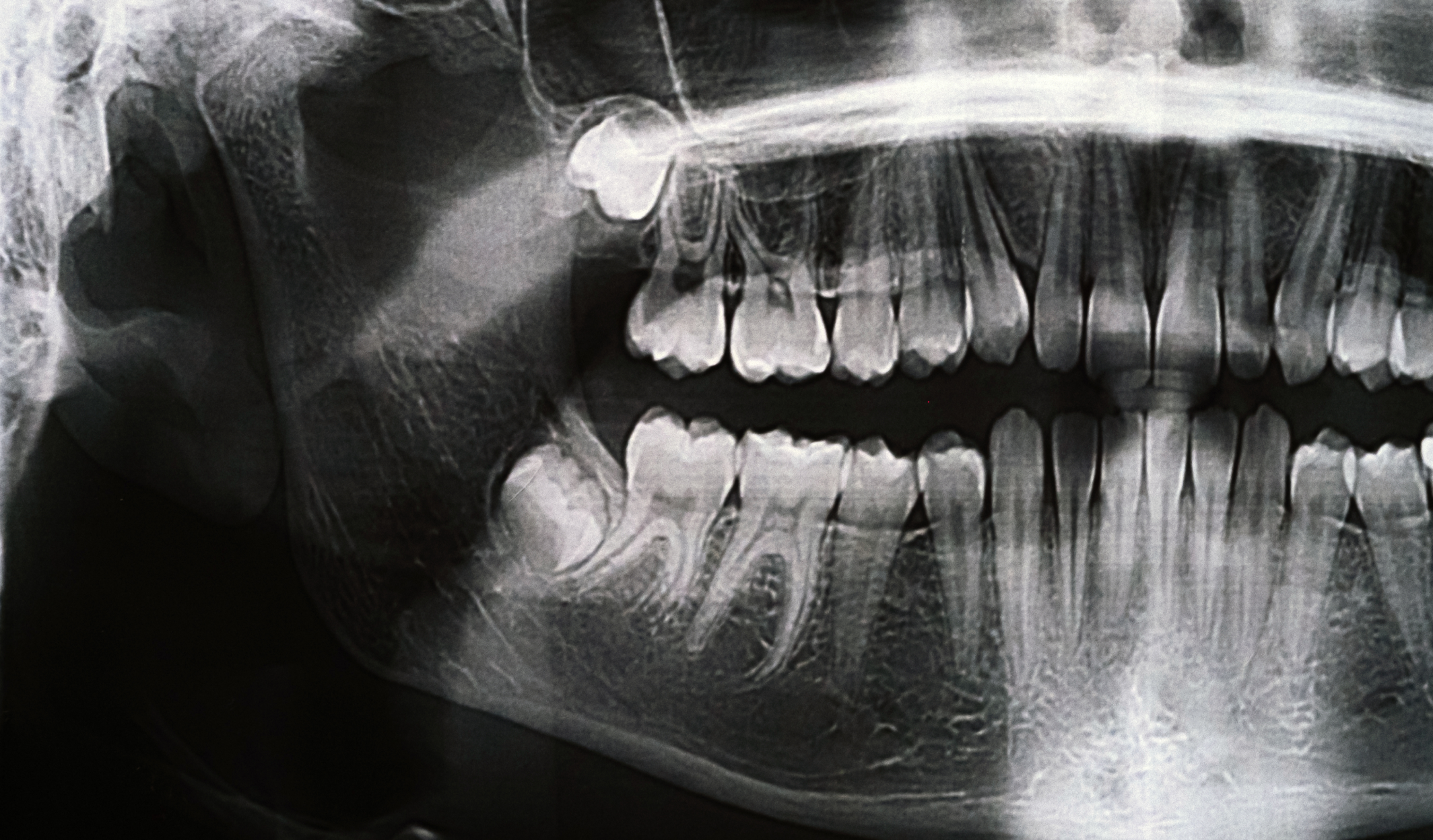
During the examination, the dentist evaluates the visible portion of the tooth, the condition of the gums, the bite, and neighboring teeth. A panoramic X-ray shows the upper and lower jaw in one image, helping to initially determine the position of the impacted tooth.
A panoramic X-ray does not always answer every question, but it is often an important stage of treatment planning. The dentist decides whether further tests are needed after reviewing the image and examining the patient.
When Is a CT Scan Needed?
Cone beam computed tomography (CBCT) creates a three-dimensional image of the area being examined. It may be recommended when the roots, the position of the tooth, or its proximity to a nerve in the lower jaw or the maxillary sinus need to be assessed more precisely.
How Is an Impacted Tooth Treated?
Treatment for an impacted tooth is selected individually. The dentist takes into account symptoms, the tooth’s position, the risk to neighboring structures, the patient’s age, orthodontic treatment options, and imaging results.
Possible strategies include active monitoring, bringing the tooth into the dental arch in cooperation with an orthodontist, or surgical removal. Each option has different indications, and there is no single solution that is right for everyone.
|
Clinical situation |
Possible management |
|
The tooth does not hurt and does not cause any changes |
Monitoring and scheduled follow-up visits |
|
An impacted canine has a chance of being positioned in the dental arch |
Surgical exposure and orthodontic treatment |
|
Recurring inflammation, pain, or a risk of damage to a neighboring tooth |
Planning surgical extraction |
Monitoring and Follow-Up Visits
Monitoring may be a reasonable choice when the tooth does not cause pain, inflammation, or changes visible on an X-ray, and does not threaten neighboring teeth. However, this does not mean “doing nothing.”
The dentist will set a follow-up date and may recommend periodic imaging. This makes it possible to detect changes in the tooth’s position or problems in the surrounding tissues early.
Bringing the Tooth into the Arch With an Orthodontist’s Help
In selected cases, especially with impacted canines, a surgeon may expose the crown of the tooth. An orthodontist then uses braces and gentle force to gradually guide the tooth into its proper place in the dental arch.
This treatment requires cooperation between specialists and regular visits. The possibility of bringing the tooth into position depends, among other factors, on its location, the amount of space in the arch, and the condition of the roots of neighboring teeth. Not every impacted tooth can be safely aligned orthodontically.
Surgical Removal of an Impacted Tooth
Extraction may be considered in cases of recurring inflammation, pain, an unfavorable tooth position, or a risk of damage to a neighboring tooth. The procedure is preceded by planning based on an examination and X-rays, and it is performed under local anesthesia.
After removal, the patient receives individualized instructions regarding oral hygiene, diet, rest, and follow-up care. Swelling, tenderness, and limited mouth opening may occur after the procedure, so it is worth planning for a quieter day or two. The recovery period depends on the difficulty of the particular extraction.
How Should You Prepare for a Consultation and Procedure?
For your consultation, it is worth bringing any recent X-rays you may already have, as well as a list of medications you take, chronic conditions, and allergies. Before the procedure, be open with the dentist about any previous problems with anesthesia, blood clotting, or past illnesses.
It is a good idea to ask about the proposed treatment method, possible risks, post-procedure recommendations, and estimated cost. The current price list can help you prepare financially, but the exact cost of removing an impacted tooth can only be determined after a consultation and review of the X-rays.
At Dynasty Stomatology, you can access oral surgery services and on-site digital diagnostics. You can book an appointment through the contact form. The clinic sees patients at ul. Romanowicza 1/LU3 and ul. Romanowicza 4B in Kraków, and consultations are also available for patients who communicate in Polish, Ukrainian, Russian, and English.
Frequently Asked Questions About Impacted Teeth
-
No, not every impacted tooth needs to be removed. If it does not cause discomfort or pathological changes and does not threaten neighboring teeth, the dentist may recommend regular imaging follow-up.
-
Yes, an impacted tooth may cause no pain or other noticeable symptoms. It is often discovered accidentally on a panoramic X-ray. However, the absence of pain does not replace an assessment of its position and the condition of the surrounding tissues.
-
The first days after extraction are usually the most important for comfort and healing. The full recovery time depends on the extent of the procedure, the tooth’s position, and the body’s individual response. Follow the surgeon’s instructions and report any concerning symptoms.
An impacted tooth requires a clinical and imaging assessment, but it does not always mean surgery is necessary. After diagnosis, monitoring, orthodontic-surgical treatment, or extraction may be possible, depending on the actual risk and the patient’s needs. Schedule a consultation at Dynasty Stomatology to receive a clear treatment plan based on an examination rather than guesswork.