

Dental anesthesia is primarily intended to ensure comfort during treatment, but temporary symptoms such as numbness, tenderness, or tingling may occur afterward. Most resolve on their own, but some symptoms require contacting a doctor. In this article, we explain which reactions after anesthesia are typical, which may indicate a complication, and how to prepare for safe treatment.
Is Dental Anesthesia Safe?
Modern dental anesthesia is generally safe when the dentist selects the anesthetic and dosage after taking a thorough medical history. However, like any medical procedure, it is not entirely risk-free. Safety depends, among other things, on the patient’s health condition, medications being taken, previous reactions to anesthesia, and the type of procedure planned.
After treatment, temporary numbness of the lip, cheek, or tongue, as well as mild tenderness at the injection site, may be normal. This is an expected effect of the anesthetic, not a complication. Symptoms are considered concerning when they are severe, worsening, unusual, or persist clearly longer than the dentist indicated.
Local anesthesia, sedation, and general anesthesia differ in their scope of action and the preparation required from the patient. Therefore, before your appointment, it is worth openly discussing any medical conditions, medications, pregnancy, and treatment-related stress.
What Types of Anesthesia Does a Dentist Use?
The method is selected based on the procedure, its extent, the patient’s anxiety level, and overall health. Local anesthesia is used most often, while sedation or general anesthesia may also be used in justified situations.
Local and Infiltration Anesthesia
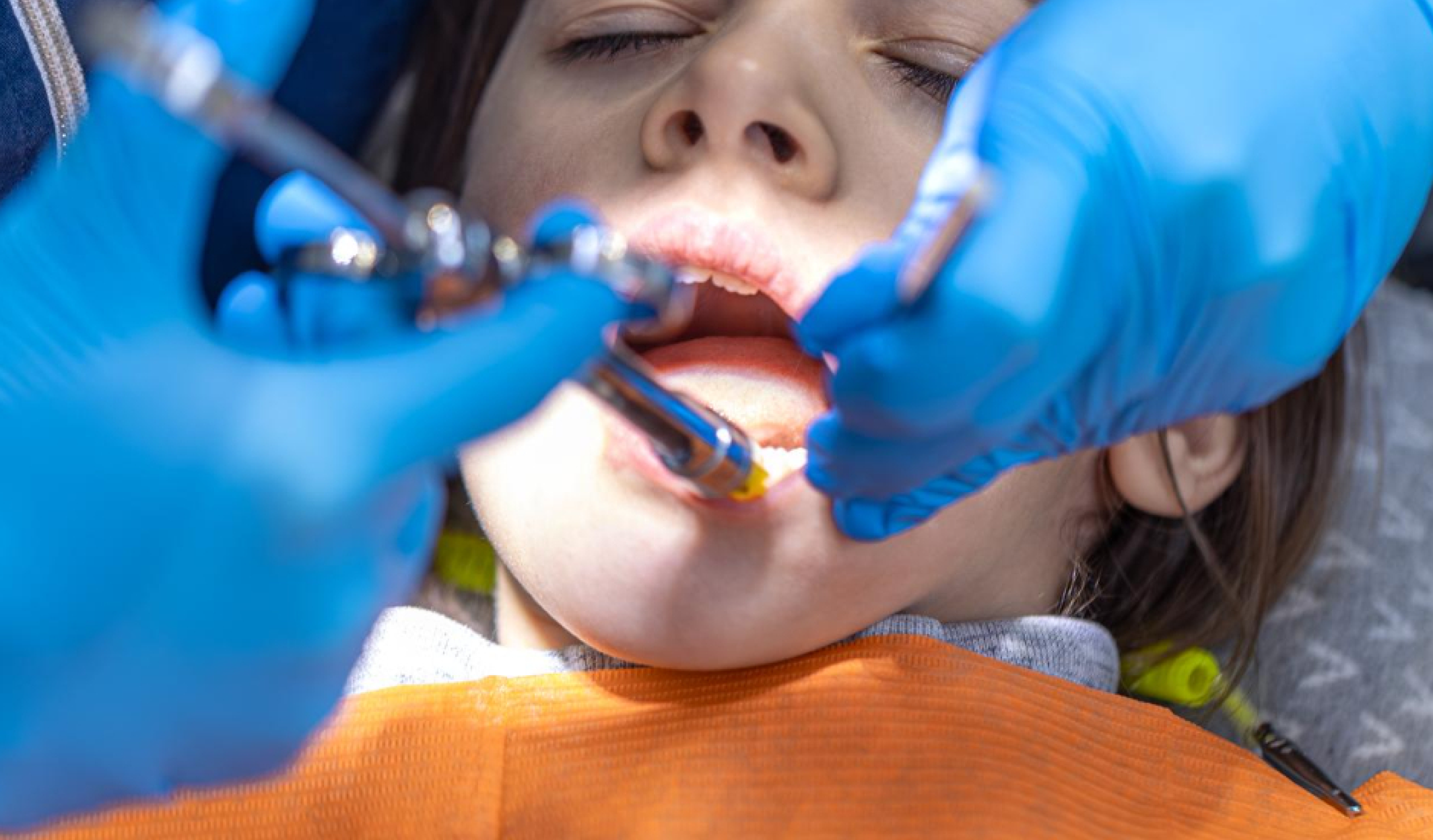
Local anesthesia temporarily blocks sensation in a specific area of the mouth without putting the patient to sleep. Infiltration anesthesia involves administering the anesthetic near the treated tooth and is often used for cavity treatment, tooth restorations, or simpler procedures.
After the appointment, the lip, cheek, or tongue may remain numb. This is usually predictable and resolves as the anesthetic wears off.
Nerve Block Anesthesia and the Risk of Longer-Lasting Numbness
A nerve block prevents the transmission of sensations over a larger area, so it may affect several teeth, part of the tongue, the lip, and the cheek. It is often used particularly in the lower jaw when effective anesthesia is needed for a larger treatment area.
More pronounced or longer-lasting numbness after this method does not automatically mean nerve damage. Until full sensation returns, do not chew gum, bite hard foods, or test sensation by biting your cheek or tongue.
Sedation for Severe Dental Anxiety
Sedation can help reduce tension and anxiety, including dental phobia, meaning an intense fear of dental appointments. It is not the same as standard local anesthesia. The patient may still need anesthesia in a specific area of the mouth.
Sedation requires prior qualification, a discussion of medical conditions and medications, and arrangements for getting home. At Dynasty Stomatology, sedation and general anesthesia procedures are performed under the supervision of an anesthesiologist, following an individual assessment of indications and contraindications.
General Anesthesia and Computer-Controlled Anesthesia
General anesthesia means controlled sleep and requires substantially more extensive preparation and anesthesiology supervision. It is used only for specific medical and organizational indications.
Computer-controlled anesthesia, on the other hand, does not mean putting the patient to sleep. It is a method of controlled anesthetic delivery that can facilitate precise dosing. The availability of both methods depends on the facility, the type of procedure, and medical qualification.
The Most Common Side Effects After Dental Anesthesia
The most common side effects of dental anesthesia are mild and temporary. It is helpful to assess them based on three questions: how severe the symptoms are, whether they are improving, and how long they last.
Not every symptom after treatment results from the anesthesia itself. Tooth pain, gum tenderness, or swelling may also be related to the procedure performed.
Numbness, Tingling, and Difficulty Eating
Numbness and tingling result from the temporary blocking of nerve signal transmission. The duration depends on the anesthetic used, the injection site, and the body’s individual response. The dentist should explain what to expect after the procedure.
Until full sensation returns, it is best to choose cool or lukewarm drinks and avoid foods that require vigorous chewing. Very hot drinks can burn numb tissues, while accidentally biting your lip or tongue can cause a painful injury.
Children require particular attention. A parent should make sure that the child does not bite their cheek, lip, or tongue after leaving the dental office.
Pain, Bruising, Tenderness, and Heart Palpitations
Mild tenderness at the injection site, a small bruise, or a feeling of tension in the jaw muscles may occur after the procedure. These symptoms usually resolve on their own. If pain or swelling increases, it is worth contacting the dental office and describing the symptoms.
Some patients experience temporary anxiety, shaking, or heart palpitations. You should not try to determine the cause on your own. Before treatment, report heart disease, high blood pressure, heart rhythm disorders, and all medications taken regularly.
Shortness of breath, fainting, chest pain, or severe heart palpitations require urgent medical assessment.
More Serious Complications After Anesthesia: Warning Signs and What to Do
Severe complications after anesthesia are rare, but it is important to know when not to wait for symptoms to improve on their own. Worsening symptoms should be reported to the dental office, while general or allergic symptoms may require urgent medical help.
Nerve Damage After Anesthesia: Symptoms and What to Do
If, after the time when the anesthesia should have worn off, you still experience unusual numbness, burning, tingling, electric shock-like pain, or noticeably reduced sensation, contact the dental office. The same applies if symptoms are not improving or begin to worsen.
During the conversation, provide the date and type of procedure, describe the exact area affected by the symptoms, and explain whether the symptoms change throughout the day. The dentist will decide whether a check-up, observation, or further diagnostics are needed. There is no need to assume the worst-case scenario, but persistent sensory disturbances should not be ignored.
Allergic Reaction and Anaphylactic Shock
An allergic reaction may be indicated by hives, itching, swelling of the face, lips, or throat, wheezing, shortness of breath, or sudden weakness. If these symptoms occur in the dental office, they require immediate reporting to the staff.
Throat swelling, difficulty breathing, loss of consciousness, or a rapidly worsening condition may indicate anaphylaxis. In this situation, call emergency services immediately. Do not wait it out or drive yourself.
Fainting, Toxic Reactions, and Other Sudden Symptoms
Sudden weakness, dizziness, severe shaking, difficulty breathing, or loss of consciousness during or after the procedure should always be reported to staff immediately. The dental office takes a medical history and monitors the patient’s well-being precisely in order to respond appropriately to unexpected situations.
If you feel clearly worse after leaving the facility, do not stay alone or drive a vehicle. In the event of severe symptoms, seek urgent medical help.

Anesthesia During Pregnancy and With Chronic Conditions
Pregnancy, chronic conditions, and medication treatment do not automatically mean that dental treatment must be avoided. However, they require an individual plan based on medical history and an assessment of how urgent the procedure is.
Dental Treatment and Anesthesia During Pregnancy
Before the appointment, the patient should provide information about the stage and course of pregnancy, recommendations from the doctor overseeing the pregnancy, and all medications and supplements being taken. The dentist will assess whether treatment needs to be performed promptly and which approach is appropriate for the patient.
Do not postpone necessary treatment on your own because of pregnancy. Untreated inflammation or pain also requires discussion with a doctor. The treatment plan should be established together, taking the safety of both the patient and the child into account.
Heart Disease, Diabetes, High Blood Pressure, and Medications
Prepare an up-to-date list of diagnoses, medications, and dosages. Report cardiovascular diseases, high blood pressure, diabetes, thyroid disorders, clotting disorders, and the use of blood-thinning medications.
Do not stop taking medications on your own before the appointment, including medications that affect blood clotting. Any potential changes to treatment are decided by the treating doctor or the doctor qualifying you for the procedure.
How Should You Prepare for Anesthesia Before Your Appointment?
Good preparation increases safety and helps reduce uncertainty. The most important elements are an honest medical history, medical documentation, and the opportunity to ask questions before treatment begins.
What Information Should You Give the Dentist Before the Procedure?
Before your appointment, report:
- previous reactions to anesthesia or suspected allergies;
- chronic conditions, past surgeries, and recent infections;
- all medications, supplements, and medications taken as needed;
- pregnancy or suspected pregnancy;
- severe treatment-related anxiety, fainting, or difficult experiences during previous appointments.
It is also worth preparing questions about the treatment plan, the type of anesthesia, expected sensations, and post-appointment recommendations. Dental phobia is not a reason to feel ashamed. Information about anxiety makes it possible to plan the appointment, treatment pace, and possible qualification for sedation more calmly.
What Will Happen at the Dental Office and After the Procedure?
The appointment usually begins with a conversation, an assessment of your health condition, and a discussion of the treatment plan. The dentist then administers anesthesia, monitors the patient’s comfort, and begins the procedure. Afterward, you will receive recommendations regarding eating, oral hygiene, and symptoms worth reporting.
Before booking an appointment, you can check the scope of the service, doctor availability, the cost of a consultation or procedure, and how to contact the facility. Dynasty Stomatology in Kraków provides care in Polish, English, Ukrainian, and Russian, which can make it easier to discuss concerns and recommendations in detail.
When Should You Contact a Dentist After Anesthesia?
Contact the dental office if numbness lasts longer than indicated in the recommendations you received, is unusual, worsens, or is accompanied by burning, severe pain, swelling, or sensory disturbances. Provide the date of the procedure, describe the location of the symptoms, and prepare a list of medications you take.
Urgent help is required for shortness of breath, swelling of the face or throat, fainting, loss of consciousness, severe weakness, or chest pain. In such situations, call emergency services rather than waiting for a response from the dental office.
The key takeaway is simple: anesthesia makes comfortable treatment possible, while a reliable medical history and prompt reporting of unusual symptoms help ensure safety before, during, and after the appointment.
Frequently Asked Questions
-
Anesthesia can last from several dozen minutes to several hours, depending on the anesthetic, injection site, and type of anesthesia. After the procedure, the dentist should provide an approximate duration of action and recommendations regarding eating.
-
You can drink carefully, preferably lukewarm or cool beverages, but it is best to wait to eat until full sensation returns. Avoid hot drinks and hard foods to prevent burns or biting your numb lip, tongue, or cheek.
-
Yes, tongue numbness can be normal, especially after a nerve block in the lower jaw. However, if it lasts unusually long, worsens, or is accompanied by burning or severe pain, contact the dental office.
-
Before standard local anesthesia, you usually do not need to fast unless your dentist advises otherwise. Different rules may apply to sedation or general anesthesia, so you should strictly follow the instructions provided by the facility.
Do You Need a Consultation Before Treatment?
If you have questions about anesthesia, severe treatment-related anxiety, or previous concerning reactions, discuss them with your dentist before the procedure begins. At Dynasty Stomatology, you can determine the scope of your appointment and how to prepare for treatment.